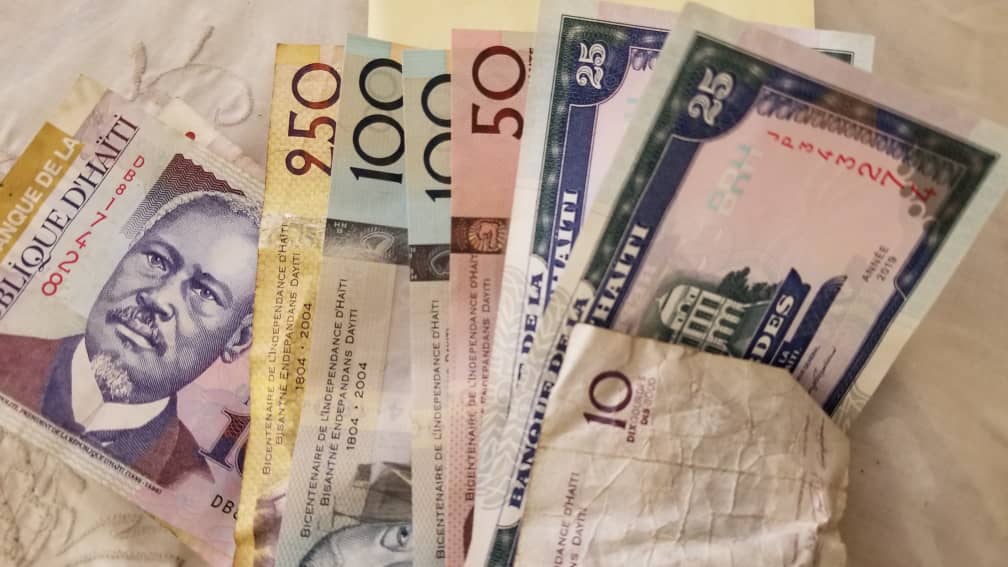
The Haitian gourde is the national currency of the Republic of Haiti. Unfortunately, over the years, the gourde has lost a lot of its value compared to foreign currencies. Since 2018, the situation has worsened, the gourde has fallen significantly against the US dollar, which has had a negative impact on the economy and the daily lives of Haitians. In this article, we will examine the factors that contributed to the fall of the gourde and the impacts of this situation on Haiti.
Reasons for the fall of the gourd
- Political instability
Political instability in Haiti was a key factor in the fall of the gourde. For decades, Haiti has experienced recurring political crises, which have hampered the country's economic development. Successive governments have failed to put in place stable economic policies to promote growth and reduce poverty.
- Trade deficit and public debt
Haiti's trade deficit is another factor that contributed to the fall of the gourde. Haiti imports more than it exports, which has led to increased pressure on the gourde. Additionally, Haiti's public debt is high, meaning the country has to repay a large amount of money each year. This debt weighs on the Haitian economy and makes it difficult to implement effective economic policies to stimulate growth.
- Natural disasters
Haiti is a country very vulnerable to natural disasters, such as hurricanes and earthquakes. These disasters have a major impact on the Haitian economy, because they destroy infrastructure and disrupt economic activities. Natural disasters also impact agricultural production, which is an important sector of the Haitian economy.
Impacts of the gourde shot
The fall of the gourde has had negative impacts on the Haitian economy and the daily lives of Haitians. Prices of basic goods such as food, fuel and medicine have risen, making life more difficult for many Haitians already struggling to make ends meet. Haitian businesses that rely on imported raw materials also suffered, as they had to pay more to import these materials.
- Increase in prices of imported products: The fall of the gourde made imported products more expensive for Haitian consumers, which had an impact on their purchasing power.
- High inflation: The fall of the gourde has also led to high inflation in Haiti, meaning that the prices of goods and services have increased faster than wages, reducing the purchasing power of Haitians.
- Difficulty for Haitian businesses: The fall of the gourde also had an impact on Haitian businesses
- Loss of confidence in the national currency: The fall of the gourde also had an impact on Haitians' confidence in their own currency. Many preferred to convert their savings into more stable foreign currencies, which had the effect of further reducing demand for the gourde.
- Reduction of foreign investments: The fall of the gourde has also discouraged foreign investors from investing in Haiti. Foreign investors seek stable and predictable economic environments in which to invest, which is difficult to find in a context of high political and economic instability.
- Deterioration of public services: Finally, the fall of the gourde also had an impact on public services in Haiti, such as health care and education. The reduction in tax revenues has limited the government's ability to finance these services, which are already very fragile in a country like Haiti.
It is clear that the fall of the Haitian gourde has had significant impacts on the economy and the daily lives of Haitians. To try to remedy this situation, measures must be taken to stabilize the economic and political situation in Haiti, reduce public debt, increase exports and strengthen investor confidence.
The Haitian Gourde: The reasons for its free fall and its impact on everyday life