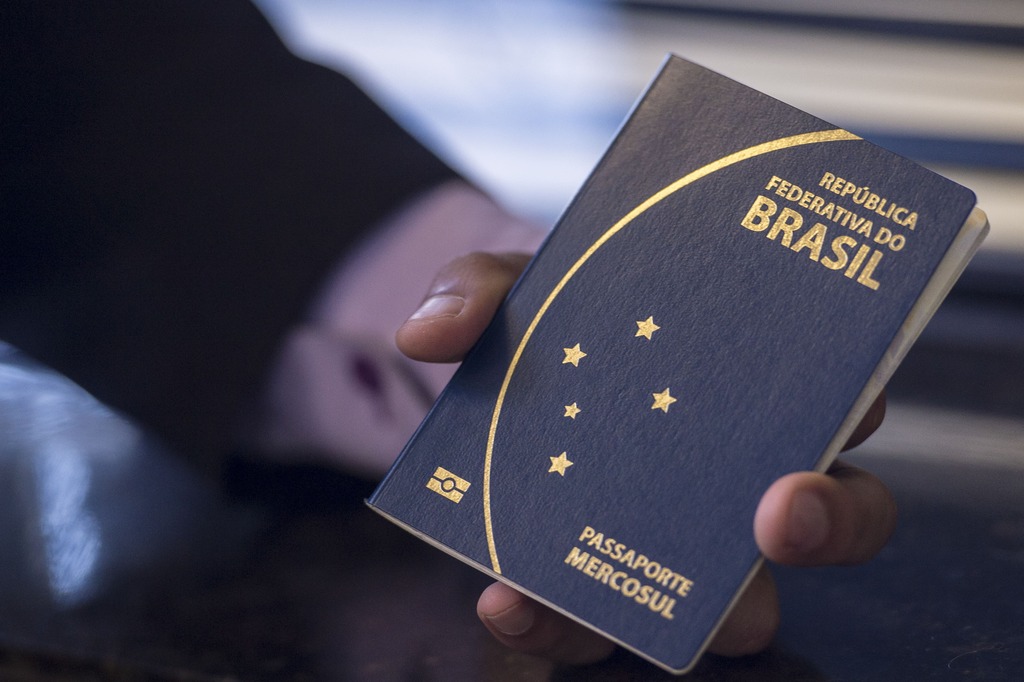
The issuance of passports in Brazil is in a critical situation due to unprecedented financial constraints. The Polícia Federal, the body responsible for this service, has officially reported a shortage of resources that could lead to a complete shutdown of operations. This situation results from a budgetary shortfall affecting several links in the document production chain.
According to available information, the date of November 3 has been identified as a potential breaking point. This deadline corresponds to the end of the contract linking the institution to Casa da Moeda, the public company responsible for the physical manufacture of passports. Without a new financial contribution, the renewal of this agreement turns out to be compromised, making the production of new documents impossible.
Budgetary difficulties affect the entire issuance process, well beyond simple material production. The operation of computer systems for managing the personal data of Brazilian citizens and resident foreigners is also affected. Furthermore, the crucial step of personalizing booklets, which guarantees their security and authenticity, requires resources that are currently unavailable.
However, warnings about this financial shortage are not recent. The general management of the Polícia Federal claims to have informed the government of the situation as early as last April. Despite these repeated warnings, no lasting solution has so far been found to fill the deficit estimated at nearly 100 million reais.
The consequences of a possible suspension would be immediate and widespread. Thousands of Brazilians, whether traveling for business, study or tourism, would see their plans compromised. The economic impact could also be significant, affecting in particular the air transport sector and international tourism, already sensitive to administrative fluctuations.
Faced with this possibility, the Ministry of Justice and Public Security was notified of the matter. Interministerial discussions, involving in particular the Ministry of Planning and Budget, are continuing to unlock an emergency solution. The challenge is to find a financial arrangement to avoid the complete paralysis of the service.
This situation highlights the challenges of managing essential public services in Brazil. It comes at a time when demand for passports has seen a notable increase after the pandemic, with many Brazilians wanting to travel abroad. Continuity of service therefore represents both an administrative and international relations issue.
The resolution of this budgetary crisis promises to be a test for the ability of the Brazilian administration to maintain its key services. As the country seeks to strengthen its international presence, the possibility of a disruption in passport issuance could send a negative signal. The coming days will be decisive for the thousands of citizens whose projects depend on this document.